
2026-09-17 · Cody Christensen
How to Seal Entry Points Before Winter Rodents Arrive in Rock Springs
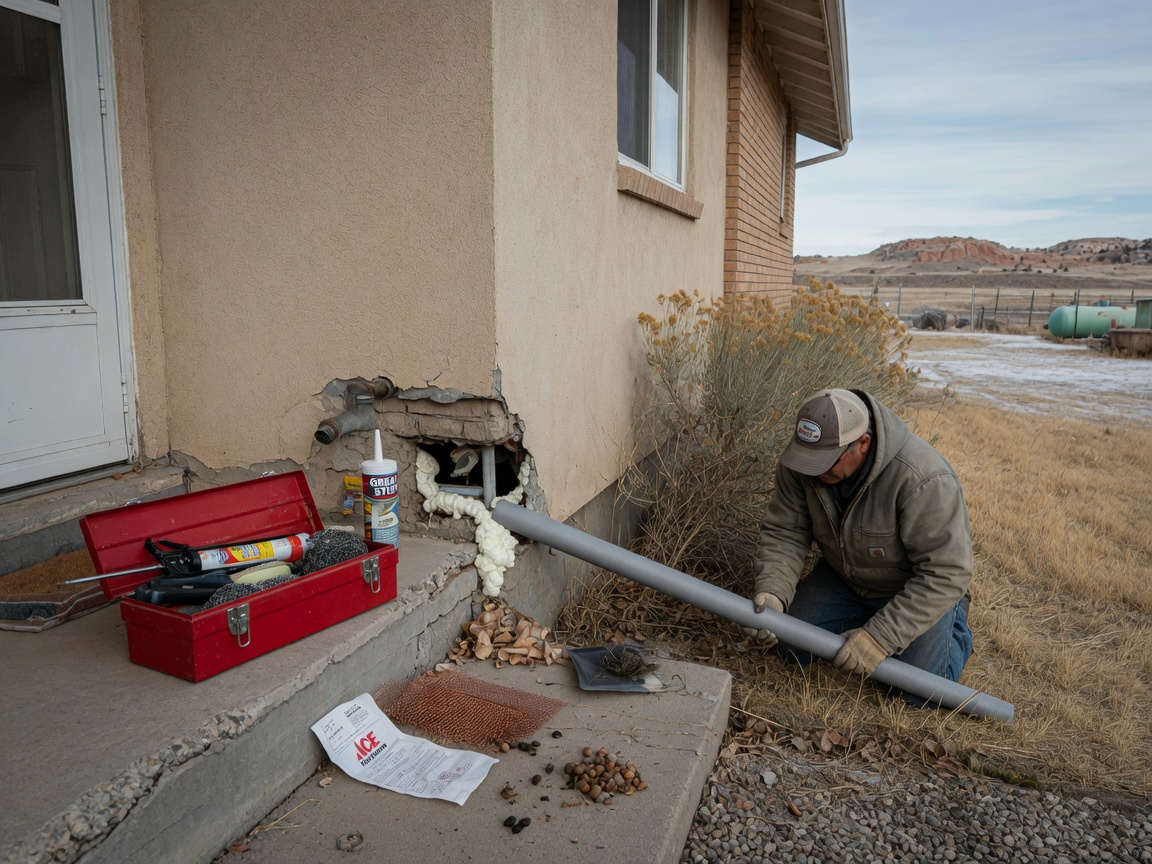
In Rock Springs, sealing entry points effectively means closing gaps of 1/4 inch or larger around foundations, rooflines, and utility penetrations before winter arrives. The high desert climate brings cold winters that drive mice and rats indoors for warmth, especially in older housing stock common across North Rock Springs, South Rock Springs, and White Mountain. Start by walking the exterior during daylight and noting every opening where pipes, wires, or vents meet siding or concrete. Use steel wool packed tightly into holes followed by caulk or expanding foam rated for exterior use. Pay special attention to homes near the White Mountain Petroglyphs area where rocky terrain provides natural rodent pathways right up to foundations.
Inspecting Foundations and Crawl Spaces
Many homes in Sweetwater County sit on concrete slabs or raised foundations with crawl spaces that collect debris and offer shelter. Walk the perimeter and look for cracks wider than a pencil, gaps around sill plates, and missing vent covers. In neighborhoods like South Rock Springs, older construction often leaves 1/2-inch spaces where siding meets the foundation after decades of settling. Fill these with mortar or concrete patch for permanent results, then add metal flashing where soil touches wood. Check under porches and decks for chewed holes rodents use to access the underside. Low precipitation here means less erosion but more dust accumulation that can hide small openings until rodents enlarge them.
Sealing Attics, Vents, and Rooflines
Attics in Rock Springs homes warm up during the day even in winter, attracting rodents seeking shelter from nighttime lows. Inspect soffit vents, ridge vents, and pipe boots for gaps larger than 1/4 inch and cover them with 1/4-inch hardware cloth secured by screws. Replace damaged chimney flashing and seal around skylights with butyl tape rated for temperature swings. Homes in North Rock Springs near the Rock Springs Historical Museum often feature older rooflines with multiple penetrations that need annual checks. Trim tree branches at least 6 feet from the roof edge to reduce rodent access routes. These steps prevent mice from nesting in insulation where they can cause damage before spring.
Protecting Utility Entries and Garage Doors
Utility lines entering homes create frequent entry points in the high desert where temperature changes loosen seals over time. Wrap pipes and wires with copper mesh or steel wool, then cover with exterior caulk that remains flexible in cold weather. Garage doors in White Mountain properties often have gaps at the sides and bottom exceeding 1/2 inch; install rubber weatherstripping and a threshold seal to close these. Check dryer vents and exhaust fans for missing flaps that let rodents climb inside. Mouse Exterminator services can confirm whether current gaps already show signs of activity before you begin sealing work.
Ongoing Maintenance Through Winter
After initial sealing, recheck vulnerable spots monthly as freeze-thaw cycles shift soil and expand small cracks in Sweetwater County homes. Keep vegetation 18 inches from foundations and store firewood off the ground and away from walls. Residents in Green River and Evanston face similar conditions and report fewer indoor rodent sightings after consistent perimeter maintenance. If new holes appear despite sealing efforts, Pest Control in North Rock Springs crews can assess patterns specific to local terrain. For additional context on how wind and dust affect pest behavior here, see What Local Wind and Dust Conditions Mean for Spider Control in Rock Springs.